
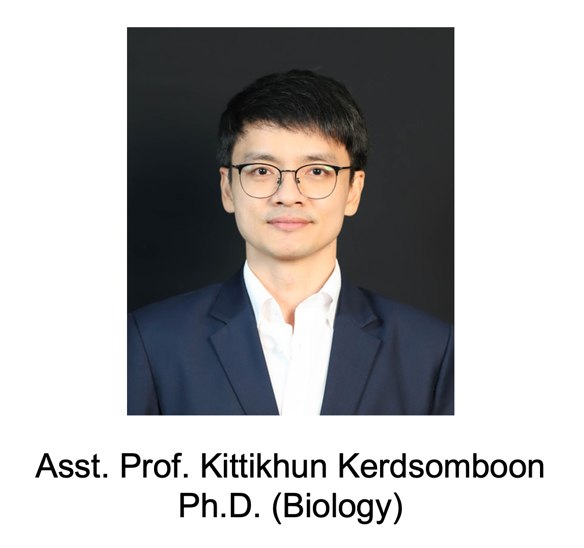
As the first author, Kittikhun Kerdsomboon led a study examining how phosphate availability influences cadmium-induced oxidative stress in the model eukaryote Saccharomyces cerevisiae. The research demonstrated that low-phosphate conditions enhance the cell’s endogenous antioxidant defense system, particularly through the upregulation of manganese superoxide dismutase (Mn-SOD) and catalase, resulting in reduced reactive oxygen species (ROS) accumulation and improved resistance to cadmium toxicity. The study provided novel evidence that phosphate depletion, rather than phosphate abundance, can promote cellular protection against heavy metal stress through adaptive antioxidant responses.
This first-author work contributes significantly to the fields of environmental health, toxicology, and biomedical sciences by uncovering mechanisms that protect cells from oxidative damage caused by toxic heavy metals. Given that cadmium exposure is associated with kidney disease, cancer, and other chronic health conditions, the findings offer valuable insights into cellular defense pathways that may inform future strategies for preventing or mitigating heavy metal toxicity. The study also advances our understanding of oxidative stress regulation, a fundamental process involved in numerous human diseases and environmental health challenges.

Kittikhun Kerdsomboon, Todsapol Techo, Tossapol Limcharoensuk, Supinda Tatip, Choowong Auesukaree
First published: 20 December 2021
https://doi.org/10.1111/1462-2920.15875Digital Object Identifier (DOI)